


Government procurement slashed by one third in 2016
17.03.2017,
17:54
According to preliminary data, 6,847 tenders were conducted last year for government agencies to procure goods and services worth a total of 188.5 billion drams, down from 7,591 tenders conducted the previous year worth 297 billion drams, Deputy Minister of Finance of Armenia Karen Tamazyan told journalists on Friday.
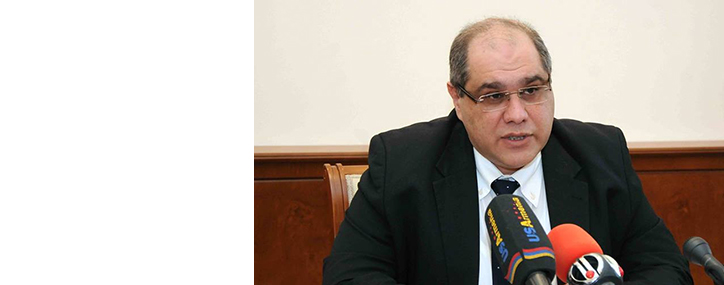
YEREVAN, March 17. /ARKA/. According to preliminary data, 6,847 tenders were conducted last year for government agencies to procure goods and services worth a total of 188.5 billion drams, down from 7,591 tenders conducted the previous year worth 297 billion drams, Deputy Minister of Finance of Armenia Karen Tamazyan told journalists on Friday. According to him, the drop resulted from the streamlined government spending.
Of the total purchases in 2016, 97 billion drams worth purchases were so-called monopoly purchases (electricity, water, other utilities, medical services, etc.), and the remaining 91.5 billion drams were procurement through tenders.
He said only 7.2% or 6.6 billion drams worth goods and services were bought from one person, which was almost 2.5 times less than in 2015, when this figure was 21.2 billion drams (18. 3% of the total public procurement).
"Competition and participation in tenders has grown. For example, 6.4 companies participated on average in an open tender last year, while in 2015 this figure was 3.4 companies for one tender,’ he said.
He noted also that almost 95% of procurement is carried out now through electronic system, and starting from January 1, all data on tenders - the number of participants and the submitted documentation and qualifications has been available to all.
"In fact, for some types of purchases, the participation of companies has almost doubled. We will continue with the introduction of the electronic procurement system and making as many as possible number of procedures electronic, thereby increasing competition, which also increases both the productivity of public procurement and the productivity of public spending," Tamazyan said. --0--
Of the total purchases in 2016, 97 billion drams worth purchases were so-called monopoly purchases (electricity, water, other utilities, medical services, etc.), and the remaining 91.5 billion drams were procurement through tenders.
He said only 7.2% or 6.6 billion drams worth goods and services were bought from one person, which was almost 2.5 times less than in 2015, when this figure was 21.2 billion drams (18. 3% of the total public procurement).
"Competition and participation in tenders has grown. For example, 6.4 companies participated on average in an open tender last year, while in 2015 this figure was 3.4 companies for one tender,’ he said.
He noted also that almost 95% of procurement is carried out now through electronic system, and starting from January 1, all data on tenders - the number of participants and the submitted documentation and qualifications has been available to all.
"In fact, for some types of purchases, the participation of companies has almost doubled. We will continue with the introduction of the electronic procurement system and making as many as possible number of procedures electronic, thereby increasing competition, which also increases both the productivity of public procurement and the productivity of public spending," Tamazyan said. --0--