


Water level in Sarsang reservoir in Artsakh declining because of Azerbaijan
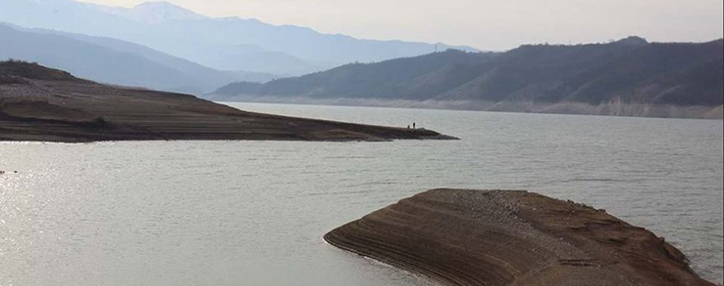
YEREVAN, March 17. /ARKA/. Water level in Sarsang reservoir is dropping by 50 centimeters daily, acting chairman of Artsakh (Nagorno-Karabakh) Water Committee Ararat Khachatryan told Armenpress news agency.
"The Sarsang reservoir is now the only source of electricity generation in Artsakh. Compared to the same period last year, the water level mark is 8 meters lower. Today the water inflow is four cubic meters per second, which is a very low indicator. The inflow from the Tatar River can reach up to 30, 40, 50 cubic meters per second. The consumption is a lot higher now. When the water level in the reservoir is high, less water is used to generate electricity. Along with the lowering of that level the pressure decreases and more water is required to produce the same volume of electric power," Khachatryan explained.
According to his assessment, the experience of the recent years and relevant studies show that it is impossible to restore the water level this year to the level of the beginning of the year.
The official expressed hope that the reservoir’s levels would increase in springtime, but even if that happens the result won’t be satisfactory.
Since January 9, Azerbaijan has been impeding Artsakh repair crews from repairing the high-voltage electricity transmission line supplying Artsakh from Armenia that passes through the territory under its control.
Before the blockade of ther Lachin corridor, especially in winters, when the electricity supplied from Armenia was insufficient, Artsakh used the Sarsang reservoir to produce power. After the war in 2020 it is left with only five small HPPs, which work only under 20% capacity.
Khachatryan noted that if the only high-voltage power line from Armenia feeding Artsakh is not repaired soon, there would be an acute shortage of Sarsang water resources necessary for electricity production and other needs.
Artsakh President Arayik Harutyunyan earlier warned that the drop of water in Sarsang reservoir (which has a capacity of 600,000,000 cubic meters) will lead to a serious crisis in spring and summer first of all for the Azerbaijani farmers because the water resources won’t be sufficient enough for irrigating the 96,000 hectares in Azerbaijan’s Tartar, Aghdam, Bardi, Goranboy, Yevlakh and Akhjabad regions.
The Artsakh authorities said that the residents of these regions should be aware that they won’t have irrigation water and will subsequently lose income and harvest because of their own authorities. -0-