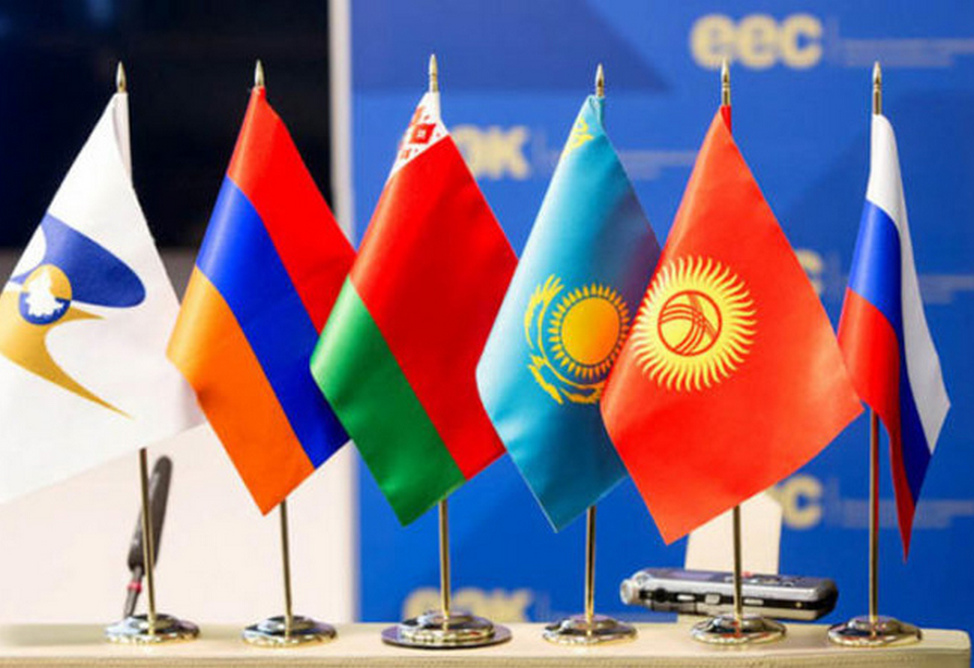


Armenia adopted a doctrine of economic transformation
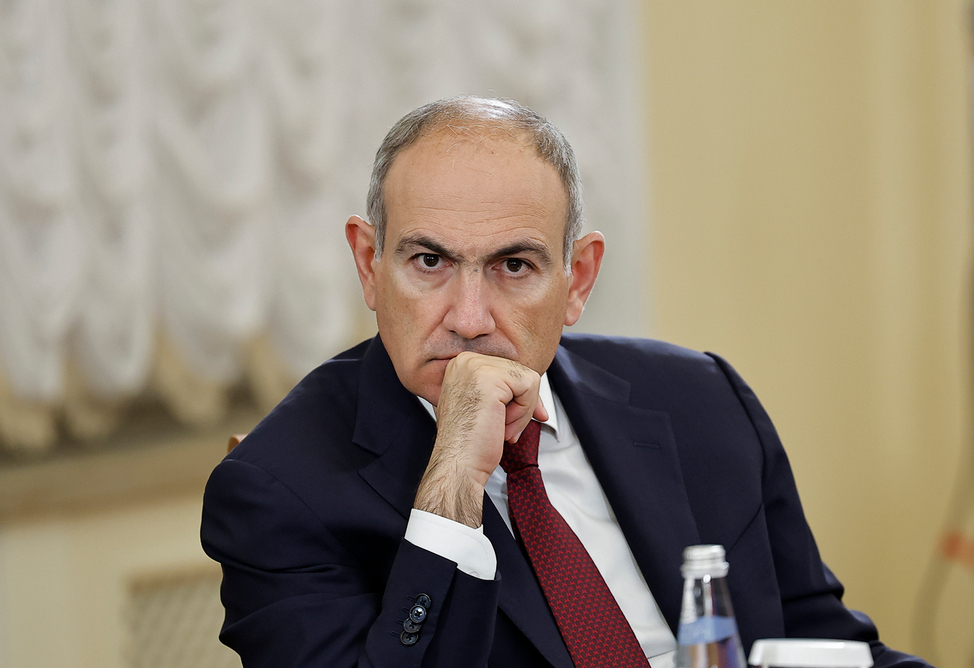
YEREVAN, January 8. /ARКА/. At its first meeting in 2026, the Armenian government adopted a doctrine for economic and institutional transformation. Prime Minister Nikol Pashinyan presented the doctrine.
"The doctrine is a development guideline. Its goal is to revise the country's economic structure and state institutions. It is a statement of intent," Pashinyan said.
A New Paradigm for Armenia's Economy
"The Doctrine is a document about where we are and where we are going. The Armenian economy is adopting a new paradigm. The need for this new paradigm is driven by the fact that since 2018, the Armenian economy has grown by more than 50%. We are confident that by the end of the year, this figure will be higher. GDP per capita has increased 2.4-fold since 2018. If in 2017 this figure was $3,872, then, according to preliminary data for 2025, it will be approximately $9,400," Pashinyan said.
He noted the revaluation of the dram as an important factor and recalled that the Central Bank bought more than $2 billion on the market last year, "which indicates financial inflows into Armenia."
"We now have a completely different economy than we had before 2018. The government's role was to remove all barriers to economic activity, particularly monopolies," Pashinyan said.
On democracy and government intervention
The Prime Minister also emphasized the importance of the role of taxpayers.
"Armenia also has a democratic economy. The government did not interfere where it was not needed and did interfere where it was needed," Pashinyan said.
He cited the Zangezur Copper and Molybdenum Combine and the Electric Networks of Armenia company as examples of interference.
"The government did not interfere until it was considered inaction. People have transformed from objects into subjects. They stopped waiting for others to act and began to take action themselves to ensure their well-being, security, and happiness. In the Republic of Armenia, everything is decided by the individual and the citizen," Pashinyan said.
He rejected the accusation that the government is trying to shift responsibility to citizens. "Forming a government is also the responsibility of citizens through elections. But citizens also choose their vision for the country's development. An Armenian citizen can stage a revolution whenever they want. We proved in 2018 that no force can prevent a revolution," Pashinyan said.
Factors of Economic Development
The Prime Minister reiterated the need for a "lifelong education" process for economic development. In particular, he noted the importance of education for officials, including ministers.
"For the first time, Armenia is developing its economy in a context of stable peace in the region. The global agenda is fundamentally changing the structure of the economy, the competitive environment, logistics, and accessibility of export markets, creating new opportunities for development. The doctrine is also conditioned by the new geopolitical environment that is forming around Armenia," Pashinyan said.
He stated that the state is taking an active role in economically important infrastructures: energy, transport, water, digital, and security.
He also allowed for the transfer of certain powers to the private sector if this contributes to increased competitiveness.
Pashinyan emphasized the importance of using artificial intelligence, which should be considered as a factor influencing all spheres.
"We must not 'wait for the wave,' but integrate it into our lives ourselves. Preparatory work has begun," Pashinyan said.
Spend Less, Earn More
He noted that energy consumption will increase with technological advances, so developing this sector requires significant attention.
"There are great opportunities here, particularly in renewable energy, which should be encouraged. After all, we're talking about energy security. The energy transformation agenda is also important. We must change our perceptions of energy consumption, particularly energy conservation. The world is currently talking about energy transformation," Pashinyan said.
He cited the example of a pensioner who spends 27,000 drams on heating, but her home is still cold.
"Even 35,000 drams wouldn't be enough. We must spend less, but ensure that the home is completely transformed energetically by insulating windows and doors," Pashinyan said.
Comfort for Digital "Nomads"
In the area of territorial development, he emphasized the need to clarify local developments. Each community and region can have its own development path, such as Areni, which specializes in winemaking.
"Armenia must become an attractive environment for foreign specialists, particularly digital nomads. The country has great potential for this, given the internet, which is ubiquitous, even in rivers," Pashinyan said.
He called for consideration of introducing a special visa regime for digital nomads.
Tax Regulation
The Prime Minister also emphasized the importance of adopting new tax approaches.
"We now need long-term tax regulations. We must consider adopting a Tax Code that will be valid for 10 years. And after five years, we should begin discussing amendments for the next one. This is a complex and even daunting topic, but we will approach it seriously," Pashinyan said.
In terms of improving governance efficiency, he emphasized the importance of digitalization and simplifying regulations. "The state should wait to receive data from citizens only once. Those who are not in demand elsewhere should not work in the state apparatus," Pashinyan said.
Capital Market
He gave the capital market a prominent place in the doctrine.
"The capital market must take shape. It has already grown three to four times. We are preparing for a new stage," Pashinyan said.
Intensive Agricultural Sector
Speaking about agriculture, the prime minister stated that it is appropriate to talk only about intensive agriculture, as traditional agriculture is no longer relevant. Intensive agriculture is also developing, but water resources must be managed properly to transform deserts into fertile lands.
"Economic development is in the national interest. Without this development, it is impossible to serve any agenda and achieve progress," Pashinyan said.