


Possible escalation around Iran. Economic risk scenarios for Armenia
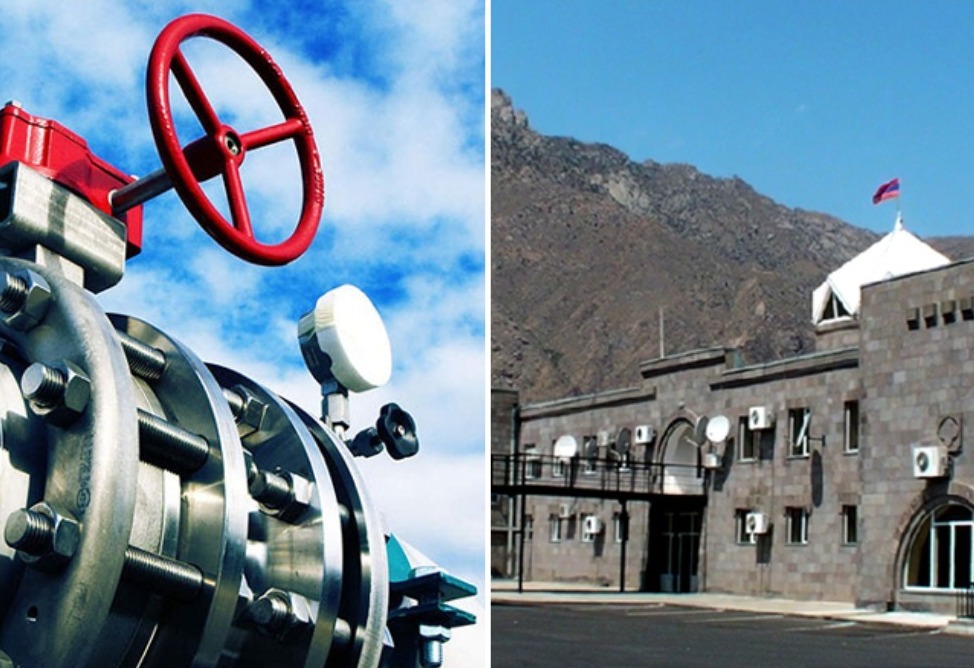
YEREVAN, March 1. /АРКА/. Geographical and political restrictions shape the current structure of Armenia's foreign economic relations. the country has no access to the sea, and closed borders with Turkey and Azerbaijan concentrate trade routes on Georgian and Iranian routes. This increases the sensitivity of the economy to regional transport risks.
Iran is among the top-5 largest trade partners of Armenia and maintains a significant role in the import structure. Against the background of the general decrease in the foreign trade turnover of Armenia in 2025, trade with Iran demonstrated growth.
According to State Committee, bilateral trade between Armenia and Iran in 2025 amounted to $768.1 million, an increase of 4.2% compared to the previous year. At the same time, RA's total foreign trade turnover for the same period decreased by 29%. This led to an increase in the share of the Iranian sector in foreign trade - from 2.4% in 2024 to 4.45% in 2025.
There is no railway communication between countries; the main channel remains the Megri-Norduz highway crossing. In Armenia, the implementation of the infrastructure project of the "North-South" highway, aimed at improving transit connectivity, continues.
Logistics channel:
In the case of restrictions on the territory of Iran - including possible interruptions in the cross-border infrastructure or tightening of cargo insurance conditions - an increase in delivery times and an increase in logistics costs are likely.
The Georgian direction remains the key route of foreign trade. Redistributing part of the cargo flow to the northern corridor can create an additional load on the infrastructure and affect the cost of transit. The scale of the effect will depend on the nature and duration of the restrictions.
Price and inflation channel
The Persian Gulf region plays a significant role in global oil supplies. The growth of geopolitical risks, as a rule, is accompanied by increased volatility of oil quotes. For Armenia, this may mean an increase in imported oil products and a rise in transport costs. Even in the absence of direct oil supplies from Iran, world price dynamics are translated to the domestic market through fuel imports.
Energy channel
The main volume of natural gas Armenia imports from Russia - supplies are carried out by the company "Gazprom Armenia" and fully provide the internal gas supply network. At the same time, there is a mechanism "gas in exchange for electricity" with Iran, extended until 2030. At the same time, Iranian gas comes exclusively within the framework of the barter scheme and is not directly supplied to the domestic gas supply network.
According to the terms of the agreements, deliveries of the order of 360 mln. кубометров ираниного газа в год. The expansion of volumes is connected with the completion of the construction of the third line of electric transmission between the countries. Construction began in 2017 and was repeatedly delayed due to financial difficulties of the Iranian contractor; planned commissioning - 2026
In case of disruptions in the cross-border infrastructure, compensatory solutions would be required within the framework of existing contracts or correction of internal consumption. The scale of impact will depend on the duration and depth of possible restrictions.
Financial channel
Geopolitical instability traditionally increases the caution of investors in developing markets. In similar conditions, growth in the volatility of the exchange rate and changes in the dynamics of investment activity are possible.
The level of the national debt of Armenia is within the established parameters, but it is sensitive to currency fluctuations. The weakening of the national currency is capable of increasing the debt burden in relative terms. The final dynamics will depend on the duration of the external shock and the reaction of the monetary policy of the Central Bank of Armenia.
Medium-term structural effects
Prolonged instability in the region may increase attention to the diversification of transport routes. In particular, the development of the multimodal corridor Persian Gulf - Black Sea is discussed.
An additional factor is the current trade regime between Iran and the EAEU, which provides for the reduction of tariff barriers on a number of goods.
Conclusion
A possible escalation around Iran is capable of influencing the economy of Armenia through logistical, price, energy and financial channels.
The transport sector remains the most sensitive in the short term, given the importance of the southern direction in foreign trade. The depth of impact will be determined by the scale of regional events and the duration of possible restrictions.
Material prepared by the analytical department of "ARKA" news agency and considers the possible economic consequences for Armenia in case of escalation around Iran. We are talking about a scenario analysis, not a forecast of the development of events.