

Armenian MP slams pace for anti-Armenian reports
19.01.2016,
15:31
Vahan Babayan, a member of the Armenian delegation to the Parliamentary Assembly of the Council of Europe (PACE), has slammed today the PACE for backing two anti-Armenian reports.
YEREVAN, January 19, /ARKA/. Vahan Babayan, a member of the Armenian delegation to the Parliamentary Assembly of the Council of Europe (PACE), has slammed today the PACE for backing two anti-Armenian reports.
Speaking to reporters, Babayan said the reports run counter to the fundamental principles of PACE charter.
The Strasbourg-based assembly is going to debate the reports, entitled "Escalation of violence in Nagorno-Karabakh and other occupied territories of Azerbaijan" and "Border population of Azerbaijan is deliberately deprived of water» at its next plenary session due on January 25.
One of the reports was drafted by Robert Walter, a pro-Azerbaijani former British parliamentarian, married to a Turkish woman, became recently a citizen of Turkey.
"Walter did not visit the region, writing in the report that Azerbaijanis were deported from Nagorno-Karabakh, but he says nothing about deportation of Armenians. This is an attempt to mislead the world community," Babayan said.
Babayan said that the Armenian side had informed different foreign delegations about the violation of the PACE charter and its principles.
"But we must understand that not everything depends on us. We do not want to make loud statements. In any case we will do our best to minimize the negative consequences for Armenia,’ he said.
Walter was head of a team of PACE members that watched Azerbaijan’s presidential election in 2013 and unlike other Western observers who reported widespread fraud, the PACE mission concluded that the election met democratic standards.
Walter visited Baku in March 2015 and wanted to visit also Armenia and Karabakh, however, Armenian authorities said they would not discuss the Karabakh issue with him.
The Nagorno-Karabakh conflict erupted into armed clashes after the collapse of the Soviet Union in the early 1990s as the predominantly Armenian-populated enclave of Azerbaijan sought to secede from Azerbaijan and declared its independence backed by a successful referendum. A truce was brokered by Russia in 1994, although no permanent peace agreement has been signed.
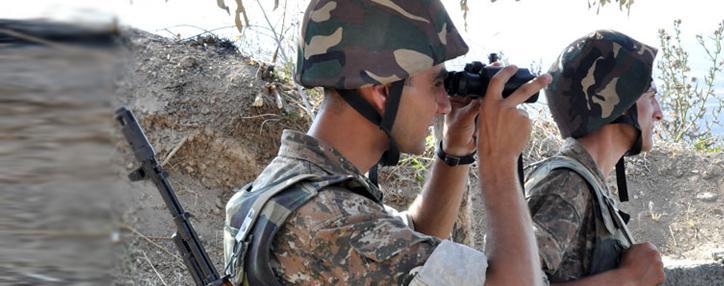
Since then, Nagorno-Karabakh and several adjacent regions have been under the control of Armenian forces of Karabakh. Nagorno-Karabakh is the longest-running post-Soviet era conflict and has continued to simmer despite the relative peace of the past two decades, with snipers causing tens of deaths a year. –0
Speaking to reporters, Babayan said the reports run counter to the fundamental principles of PACE charter.
The Strasbourg-based assembly is going to debate the reports, entitled "Escalation of violence in Nagorno-Karabakh and other occupied territories of Azerbaijan" and "Border population of Azerbaijan is deliberately deprived of water» at its next plenary session due on January 25.
One of the reports was drafted by Robert Walter, a pro-Azerbaijani former British parliamentarian, married to a Turkish woman, became recently a citizen of Turkey.
"Walter did not visit the region, writing in the report that Azerbaijanis were deported from Nagorno-Karabakh, but he says nothing about deportation of Armenians. This is an attempt to mislead the world community," Babayan said.
Babayan said that the Armenian side had informed different foreign delegations about the violation of the PACE charter and its principles.
"But we must understand that not everything depends on us. We do not want to make loud statements. In any case we will do our best to minimize the negative consequences for Armenia,’ he said.
Walter was head of a team of PACE members that watched Azerbaijan’s presidential election in 2013 and unlike other Western observers who reported widespread fraud, the PACE mission concluded that the election met democratic standards.
Walter visited Baku in March 2015 and wanted to visit also Armenia and Karabakh, however, Armenian authorities said they would not discuss the Karabakh issue with him.
The Nagorno-Karabakh conflict erupted into armed clashes after the collapse of the Soviet Union in the early 1990s as the predominantly Armenian-populated enclave of Azerbaijan sought to secede from Azerbaijan and declared its independence backed by a successful referendum. A truce was brokered by Russia in 1994, although no permanent peace agreement has been signed.
Since then, Nagorno-Karabakh and several adjacent regions have been under the control of Armenian forces of Karabakh. Nagorno-Karabakh is the longest-running post-Soviet era conflict and has continued to simmer despite the relative peace of the past two decades, with snipers causing tens of deaths a year. –0