


Artsakh defense ministry denies Azerbaijani misinformation
25.07.2017,
17:02
The Artsakh (Nagorno-Karabakh) defense ministry denied today Azerbaijani defense ministry’s report claiming that Artsakh armed forces used a drone in the conflict zone wounding an Azerbaijani serviceman Muraz Babakishin.
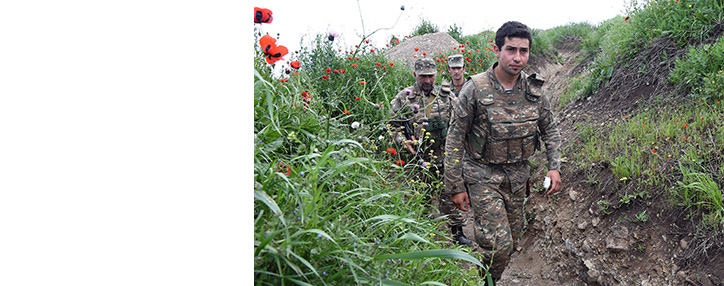
YEREVAN, July 25. /ARKA/. The Artsakh (Nagorno-Karabakh) defense ministry denied today Azerbaijani defense ministry’s report claiming that Artsakh armed forces used a drone in the conflict zone wounding an Azerbaijani serviceman Muraz Babakishin. In a statement the Artsakh defense ministry described the reports as ‘another misinformation.’
"The situation on the front line remains relatively calm, but the Azerbaijani agitprop continues to work in its style, trying to spread misinformation and mislead both its own population and the international community," the Artsakh defense ministry noted. It said that the advanced military units along the line of contact continue to monitor compliance with the ceasefire.
The Nagorno-Karabakh conflict between Armenia and Azerbaijan erupted into armed clashes after the collapse of the Soviet Union in the early 1990s as the predominantly Armenian-populated enclave of Azerbaijan sought to secede from Azerbaijan and declared its independence backed by a successful referendum.
On May 12, 1994, the Bishkek cease-fire agreement put an end to the military operations. A truce was brokered by Russia in 1994, although no permanent peace agreement has been signed. Since then, Nagorno-Karabakh and several adjacent regions have been under the control of Armenian forces of Karabakh.
Nagorno-Karabakh is the longest-running post-Soviet era conflict and has continued to simmer despite the relative peace of the past two decades, with snipers causing tens of deaths a year. On April 2, 2016, Azerbaijan launched military assaults along the entire perimeter of its contact line with Nagorno-Karabakh. Four days later a cease-fire was reached. ---0---
"The situation on the front line remains relatively calm, but the Azerbaijani agitprop continues to work in its style, trying to spread misinformation and mislead both its own population and the international community," the Artsakh defense ministry noted. It said that the advanced military units along the line of contact continue to monitor compliance with the ceasefire.
The Nagorno-Karabakh conflict between Armenia and Azerbaijan erupted into armed clashes after the collapse of the Soviet Union in the early 1990s as the predominantly Armenian-populated enclave of Azerbaijan sought to secede from Azerbaijan and declared its independence backed by a successful referendum.
On May 12, 1994, the Bishkek cease-fire agreement put an end to the military operations. A truce was brokered by Russia in 1994, although no permanent peace agreement has been signed. Since then, Nagorno-Karabakh and several adjacent regions have been under the control of Armenian forces of Karabakh.
Nagorno-Karabakh is the longest-running post-Soviet era conflict and has continued to simmer despite the relative peace of the past two decades, with snipers causing tens of deaths a year. On April 2, 2016, Azerbaijan launched military assaults along the entire perimeter of its contact line with Nagorno-Karabakh. Four days later a cease-fire was reached. ---0---