

Nagorno-Karabakh: captives must be released – UN experts
YEREVAN, February 1, /ARKA/. UN human rights experts today called for the prompt release of prisoners of war and other captives from the recent Nagorno-Karabakh conflict, and for the return of bodies to families for burial with due respect for cultural customs, the UN Human Rights Office of High Commissioner said.
“Everyone deprived of their liberty for reasons related to the conflict should be returned to their homes, and relatives of those killed must be able to receive the mortal remains of their loved ones, in line with the ceasefire agreement signed on 9 November 2020,” the experts said.
“Failure to disclose information on the fate and whereabouts of missing persons and refusal to hand over the remains of the deceased may amount to enforced disappearance, which both Azerbaijan and Armenia have committed to preventing.”
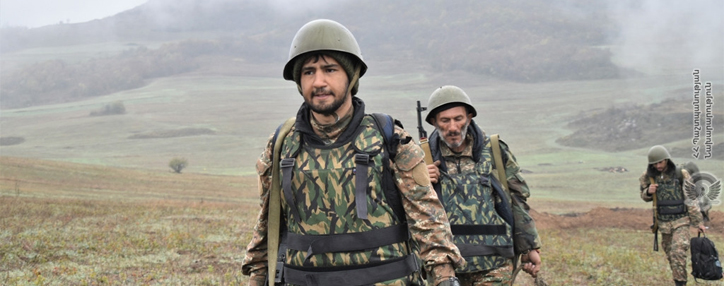
The Nagorno-Karabakh conflict which erupted on 27 September 2020 resulted in both military and civilian captives. Many people are still unaccounted for.
“We are alarmed at allegations that prisoners of war and other protected persons have been subjected to extrajudicial killing, enforced disappearance, torture and other ill-treatment,” the experts said.
“No exceptional circumstances whatsoever – whether a state of war, internal political instability or any other public emergency – may be invoked as a justification of torture and enforced disappearances,” they said. “Such acts, when perpetrated in armed conflict, may also constitute war crimes.”
There are numerous reports of human rights violations against civilians and military captives, and of desecration of the dead.
“We are seriously alarmed at reported acts of ill-treatment and the desecration of bodies,” the experts said. “We note that both parties have commenced the return of prisoners of war and other captives, and we call on them to complete the all for all exchange, to clarify the fate and whereabouts of the disappeared, and to treat dead bodies with dignity.
“We appeal to the authorities of Armenia and Azerbaijan to carry out thorough, prompt, independent and impartial investigations into allegations of serious human rights violations committed during the conflict and its aftermath in order to hold perpetrators to account and provide redress to the victims. These actions will facilitate truth, reconciliation and healing,” they said.
The experts will continue to engage with the authorities of both countries and closely monitor the situation.
On December 14, 44 Armenian prisoners of war and other captivates were brought home by a Russian military plane from Azerbaijan and 12 Azerbaijani citizens were flown to Baku. Another four Armenian prisoners of war were repatriated on December 28 with the mediation of Russia and the International Committee of the Red Cross and another five returned home on January 28.
Armenia and Azerbaijan earlier agreed to "all for all" swap of POWs. However, more than two months after the fighting stopped, Azerbaijan still holds unknown dozens of Armenian prisoners of war.
On September 27, 2020, Azerbaijani armed forces, backed by Turkey and foreign mercenaries and terrorists, attacked Nagorno-Karabakh along the entire front line using rocket and artillery weapons, heavy armored vehicles, military aircraft and prohibited types of weapons such as cluster bombs and phosphorus weapons.
After 44 days of the war, on November 9, the leaders of Russia, Azerbaijan and Armenia signed a statement on the cessation of all hostilities. According to the document, the parties stopped at where they were at that time. The town of Shushi, the districts of Agdam, Kelbajar and Lachin were handed over to Azerbaijan, with the exception of a 5-kilometer corridor connecting Karabakh with Armenia.
A Russian peacekeeping contingent was deployed along the contact line in Karabakh and along the Lachin corridor. Internally displaced persons and refugees are returning to Karabakh and adjacent regions, prisoners of war, hostages and other detained persons and bodies of the dead are being exchanged.
During and after the 44-day war, Azerbaijani soldiers posted many videos in social networks showing inhuman attitude towards Armenian prisoners of war. Videos with bullying and use of violence against Armenian civilians and the elderly were also circulated..--0-