


Pashinyan: we have humanitarian crisis in Nagorno-Karabakh
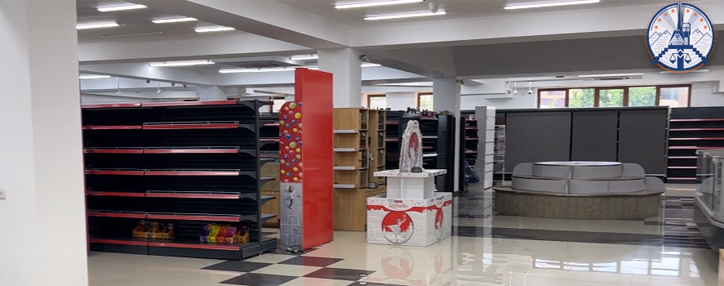
YEREVAN, July 24. /ARKA/. We have a humanitarian crisis there, Armenian PM Nikol Pashinayn said in a last week interview with the Caucasus bureau of Agence France-Presse (AFP).
‘When we say humanitarian crisis, for many people it may seem like a political term or a headline for news, but let’s delve into its substance. It means, for instance, absence of essential goods, there is no vegetable oil in Nagorno Karabakh, no sugar, there are no hygiene supplies, there is no butter, there aren’t several types of foodstuff. The people of Nagorno Karabakh are hard working people of course, and in this agricultural season some products are produced, but because of the absence of fuel, the delivery of the goods to the potential consumers is almost impossible. In Karabakh, there is a certain stock of grain, but because of the absence of fuel, it cannot be delivered to the flour mills, if in any way it is possible to deliver it to the flour mills, then it cannot be delivered to the bread bakeries because of absence of fuel, and if somehow it reaches the bakeries, it is impossible to bake the bread at industrial volumes because of the absence of electricity and fuel, but if it is somehow possible to bake it, then it is impossible to deliver it to the shops, and if somehow it is possible to deliver to the shops, people have transport limitations for reaching the shop to buy the bread, and if somehow they reach the shop to buy the bread, they do not have the required financial means to purchase the bread because they are deprived of employment.
If all these layers, all these difficulties are placed upon one individual, all that burden becomes obvious and understandable. Under these circumstances, it is clear that in the Republic of Armenia and also of course in Nagorno Karabakh, pessimism is growing day by day, which, however, does not change our policy in any way, because we are convinced that the method of resolving issues through negotiations has no alternative. And on the other hand, if issues are not resolved through negotiations, in the public these negotiations may be perceived as just waste of time, or creating the impression in the media that something is being done. These are all risks that can directly or indirectly affect the process.’ -0-