

About two-thirds of Armenia's residents remain poor or vulnerable: World Bank identifies key reasons
29.07.2026,
16:55
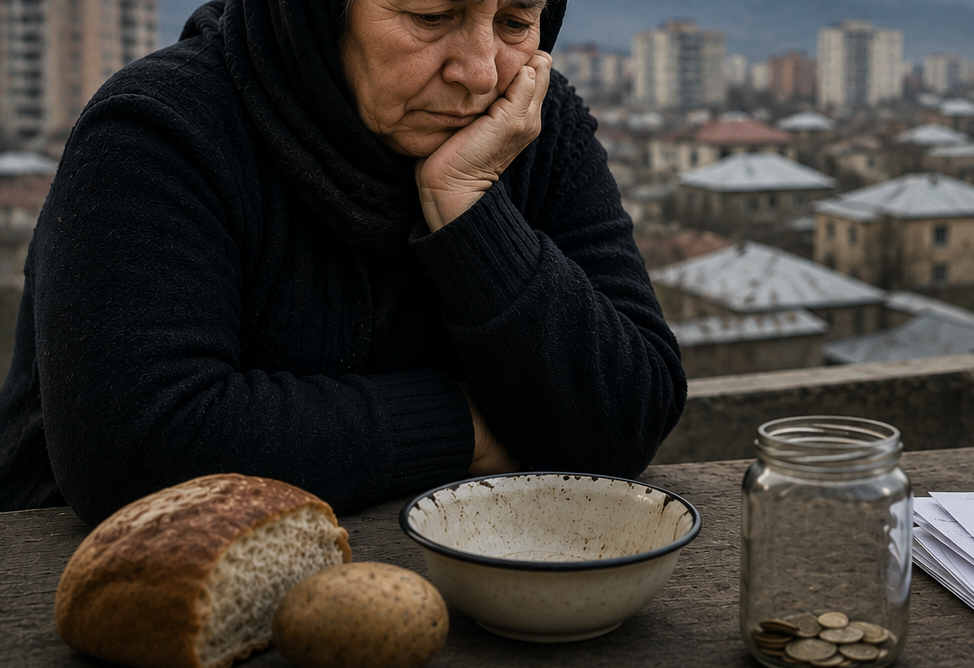
The poverty rate in Armenia, according to the national methodology, decreased from 26.5% in 2021 to 21.7% in 2024, but about two-thirds of the population remains poor or economically vulnerable, said Armine Manukyan, Senior Economist at the World Bank.
YEREVAN, July 29. /ARKA/. The poverty rate in Armenia, according to the national methodology, decreased from 26.5% in 2021 to 21.7% in 2024, but about two-thirds of the population remains poor or economically vulnerable, said Armine Manukyan, Senior Economist at the World Bank.
"In recent years, Armenia's economic growth has been quite impressive, and the poverty rate has been declining. However, the benefits of high growth are not shared equally," Manukyan said at the presentation of the World Bank report "Armenia's Economic Pulse: Pursuing Poverty-Reducing Growth through More Effective Fiscal Policy."
43.4% of the population remains vulnerable.
In 2024, the share of the economically vulnerable population was 43.4%. The World Bank defines this group as citizens whose per capita consumption exceeds the national poverty line by no more than 1.5 times.
Thus, the combined share of poor and vulnerable residents reached 65.1%.
According to Manukyan, such households could fall back into poverty in the event of job loss, reduced income, or other economic shocks.
The share of the population with an average income level increased from 20.2% in 2021 to 24.9% in 2024.
Poverty is higher in rural areas.
In rural areas, the poverty rate in 2024 was 26.1%, in cities outside Yerevan it was 22.8%, and in the capital, 16.9%, Manukyan noted.
The highest rates were recorded in the Shirak and Tavush regions—approximately 49% and 47%, respectively. The lowest poverty rate was recorded in the Syunik region.
The World Bank attributes the regional concentration of poverty to low-productivity employment in agriculture, self-employment, and informal labor.
Agriculture accounts for about a quarter of employment in Armenia and approximately a third of the working poor.
According to international criteria, 47.4% are considered poor.
According to the international poverty line for upper-middle-income countries—$8.3 per person per day based on 2021 purchasing power parity—the poverty rate in Armenia in 2024 was 47.4%.
At the same time, the World Bank assesses the level of inequality in Armenia as relatively low compared to most comparable countries. The internationally comparable Gini index is 27.4.
Work does not always protect against poverty.
The report notes that having a job alone does not guarantee an escape from poverty. Productivity, stability, and the formality of employment are crucial.
Poor workers are more likely to be employed in agriculture, informally, or self-employed. The lowest poverty rate is observed among workers with written employment contracts.
To achieve sustainable poverty reduction, the World Bank recommends improving the quality of jobs, expanding formal employment, enhancing workers' skills, and improving the targeting of social assistance.
"In recent years, Armenia's economic growth has been quite impressive, and the poverty rate has been declining. However, the benefits of high growth are not shared equally," Manukyan said at the presentation of the World Bank report "Armenia's Economic Pulse: Pursuing Poverty-Reducing Growth through More Effective Fiscal Policy."
43.4% of the population remains vulnerable.
In 2024, the share of the economically vulnerable population was 43.4%. The World Bank defines this group as citizens whose per capita consumption exceeds the national poverty line by no more than 1.5 times.
Thus, the combined share of poor and vulnerable residents reached 65.1%.
According to Manukyan, such households could fall back into poverty in the event of job loss, reduced income, or other economic shocks.
The share of the population with an average income level increased from 20.2% in 2021 to 24.9% in 2024.
Poverty is higher in rural areas.
In rural areas, the poverty rate in 2024 was 26.1%, in cities outside Yerevan it was 22.8%, and in the capital, 16.9%, Manukyan noted.
The highest rates were recorded in the Shirak and Tavush regions—approximately 49% and 47%, respectively. The lowest poverty rate was recorded in the Syunik region.
The World Bank attributes the regional concentration of poverty to low-productivity employment in agriculture, self-employment, and informal labor.
Agriculture accounts for about a quarter of employment in Armenia and approximately a third of the working poor.
According to international criteria, 47.4% are considered poor.
According to the international poverty line for upper-middle-income countries—$8.3 per person per day based on 2021 purchasing power parity—the poverty rate in Armenia in 2024 was 47.4%.
At the same time, the World Bank assesses the level of inequality in Armenia as relatively low compared to most comparable countries. The internationally comparable Gini index is 27.4.
Work does not always protect against poverty.
The report notes that having a job alone does not guarantee an escape from poverty. Productivity, stability, and the formality of employment are crucial.
Poor workers are more likely to be employed in agriculture, informally, or self-employed. The lowest poverty rate is observed among workers with written employment contracts.
To achieve sustainable poverty reduction, the World Bank recommends improving the quality of jobs, expanding formal employment, enhancing workers' skills, and improving the targeting of social assistance.