


Papoyan: Armenian agricultural products are equal in quality to European ones
11.06.2026,
16:00
A significant portion of Armenian agricultural products are equal in quality to those available on European markets, stated RA Minister of Economy Gevorg Papoyan.
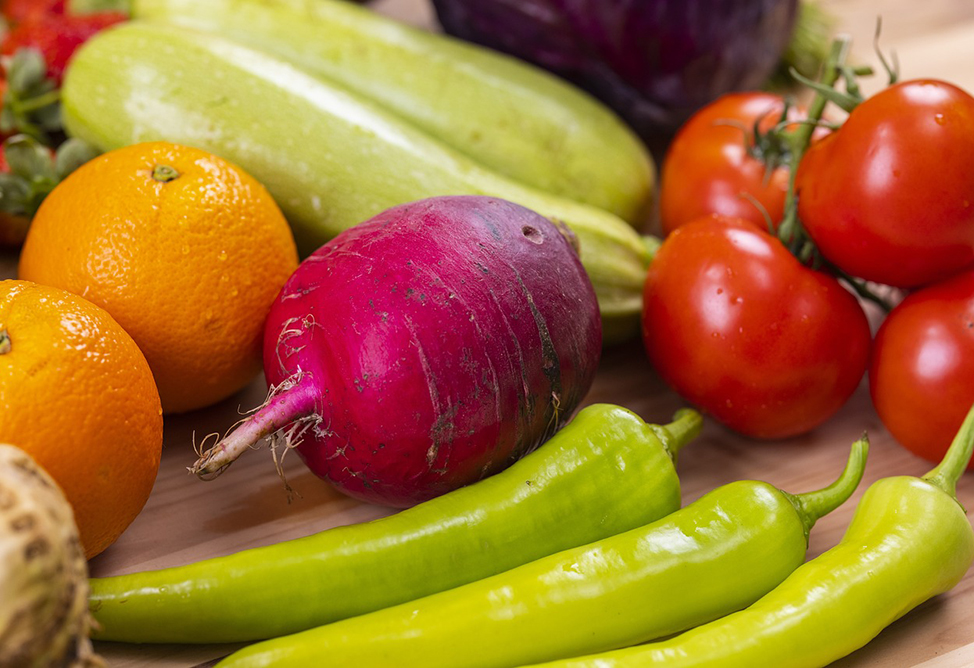
YEREVAN, June 11. /ARKA/. A significant portion of Armenian agricultural products are equal in quality to those available on European markets, stated RA Minister of Economy Gevorg Papoyan.
"Intensive orchards and greenhouses in Armenia are no different from similar farms in leading European countries. The same technologies, equipment, and production methods are used," Papoyan said during preliminary discussions of the annual report on the execution of the RA state budget for 2025.
According to him, products manufactured in Armenia meet the highest standards, and a significant portion of them have the necessary international certificates.
"That's why, when, thanks to subsidies, our products enter the European market, they quickly find a buyer," the minister said.
Papoyan emphasized that the main problem facing Armenian producers is not product quality, but rather their distance from major markets and higher logistics costs.
Exporters' Challenges
The minister acknowledged the difficulties faced by exporters. "It would be wrong to say there are no problems. For example, a producer who has exported to Russia his entire life is now starting to supply Greece. This is a new experience for him, and he needs to learn," Papoyan said.
He noted that entering new markets raises technical issues, including those related to transit through other countries and understanding new legislation.
On Subsidies
Papoyan reported that the Armenian government continues to support exporters by subsidizing customs duties and a significant portion of transportation costs for a number of goods.
"Thanks to this, we have already shipped products to Georgia, Greece, Ukraine, Kazakhstan, and other countries. This process continues, and we expect significantly larger volumes," Papoyan noted.
He recalled that the government had previously approved a program to support greenhouse exports. According to him, there are no restrictions on export volumes under the program.
The minister recalled that the government had previously approved a program to support greenhouse produce exports.
According to him, there are no restrictions on export volumes under the program.
"The more products are exported, the greater the volume we will subsidize. I am pleased to note that export volumes are increasing almost daily," the minister emphasized.
Papoyan also announced that another support package will be adopted at the government meeting, providing for subsidies for transportation costs for the export of non-greenhouse products, particularly fruits and vegetables. In addition, customs duties, which typically range from 8.5% to 14.5%, will be reimbursed.
On restrictions on product shipments from Armenia to Russia
Rosselkhoznadzor has imposed temporary restrictions on the import of a number of products from Armenia, citing "increasing violations of phytosanitary requirements of the Eurasian Economic Union and Russia" as the reason. Restrictions applied to flowers and food products starting May 22; fresh tomatoes, cucumbers, peppers, greens, and strawberries starting May 30; fresh grapes and stone fruits (cherries, sweet cherries, apricots, plums, peaches, and nectarines) starting June 2; and pome fruits, eggplants, potatoes, and dried fruits starting June 3.
Rosselkhoznadzor also stated that, starting June 2, Armenia must suspend veterinary certification of live fish and fish products from all Armenian companies to Russian recipients, with the exception of two enterprises that passed inspection.
Furthermore, Rospotrebnadzor suspended the import and circulation in Russia of all batches of Jermuk mineral water from Armenia, as well as wine and cognac from three Armenian producers.
"Intensive orchards and greenhouses in Armenia are no different from similar farms in leading European countries. The same technologies, equipment, and production methods are used," Papoyan said during preliminary discussions of the annual report on the execution of the RA state budget for 2025.
According to him, products manufactured in Armenia meet the highest standards, and a significant portion of them have the necessary international certificates.
"That's why, when, thanks to subsidies, our products enter the European market, they quickly find a buyer," the minister said.
Papoyan emphasized that the main problem facing Armenian producers is not product quality, but rather their distance from major markets and higher logistics costs.
Exporters' Challenges
The minister acknowledged the difficulties faced by exporters. "It would be wrong to say there are no problems. For example, a producer who has exported to Russia his entire life is now starting to supply Greece. This is a new experience for him, and he needs to learn," Papoyan said.
He noted that entering new markets raises technical issues, including those related to transit through other countries and understanding new legislation.
On Subsidies
Papoyan reported that the Armenian government continues to support exporters by subsidizing customs duties and a significant portion of transportation costs for a number of goods.
"Thanks to this, we have already shipped products to Georgia, Greece, Ukraine, Kazakhstan, and other countries. This process continues, and we expect significantly larger volumes," Papoyan noted.
He recalled that the government had previously approved a program to support greenhouse exports. According to him, there are no restrictions on export volumes under the program.
The minister recalled that the government had previously approved a program to support greenhouse produce exports.
According to him, there are no restrictions on export volumes under the program.
"The more products are exported, the greater the volume we will subsidize. I am pleased to note that export volumes are increasing almost daily," the minister emphasized.
Papoyan also announced that another support package will be adopted at the government meeting, providing for subsidies for transportation costs for the export of non-greenhouse products, particularly fruits and vegetables. In addition, customs duties, which typically range from 8.5% to 14.5%, will be reimbursed.
On restrictions on product shipments from Armenia to Russia
Rosselkhoznadzor has imposed temporary restrictions on the import of a number of products from Armenia, citing "increasing violations of phytosanitary requirements of the Eurasian Economic Union and Russia" as the reason. Restrictions applied to flowers and food products starting May 22; fresh tomatoes, cucumbers, peppers, greens, and strawberries starting May 30; fresh grapes and stone fruits (cherries, sweet cherries, apricots, plums, peaches, and nectarines) starting June 2; and pome fruits, eggplants, potatoes, and dried fruits starting June 3.
Rosselkhoznadzor also stated that, starting June 2, Armenia must suspend veterinary certification of live fish and fish products from all Armenian companies to Russian recipients, with the exception of two enterprises that passed inspection.
Furthermore, Rospotrebnadzor suspended the import and circulation in Russia of all batches of Jermuk mineral water from Armenia, as well as wine and cognac from three Armenian producers.