

Armenia can go from being an energy-dependent country to an energy exporter – Prime Minister
05.05.2026,
14:01
With the right strategy, Armenia can not only meet its own energy needs but also become an energy exporter, stated Prime Minister Nikol Pashinyan.
YEREVAN, May 5. /ARKA/. With the right strategy, Armenia can not only meet its own energy needs but also become an energy exporter, stated Prime Minister Nikol Pashinyan.
According to him, the country has significant potential in the field of renewable energy.
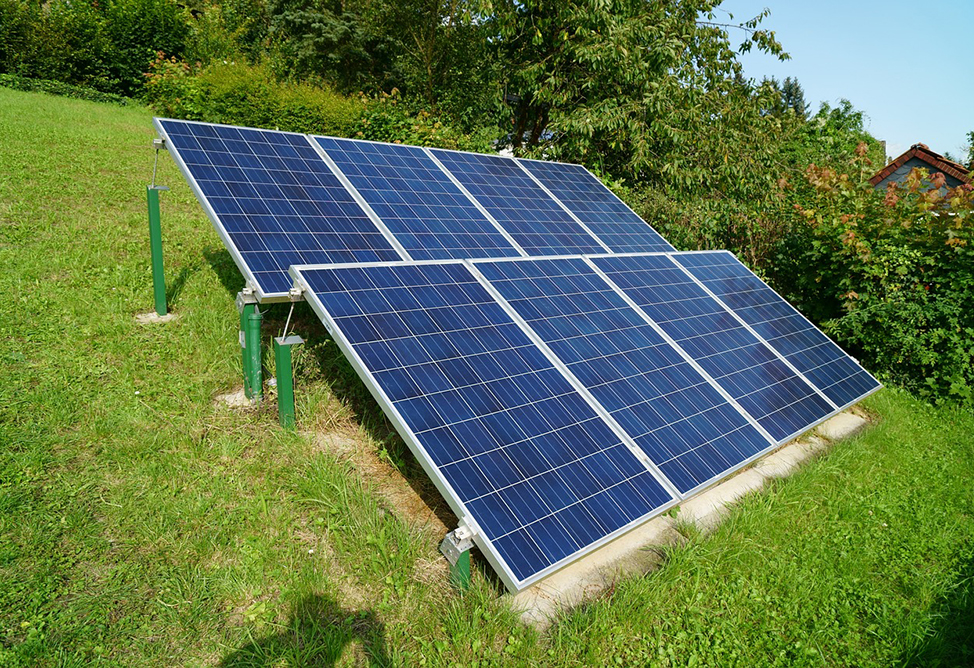
"Armenia has unlimited energy potential, as some regions enjoy over 300 sunny days a year," Pashinyan said during joint statements with European Council President António Costa and European Commission President Ursula von der Leyen.
"This represents great opportunities for the development of solar energy. Today, we lack energy storage systems. I am grateful to our European colleagues for their willingness to assist us in this matter. These are the first steps in the energy sector. There are other energy storage technologies. We are also working with the EU to develop the production and use of 'green hydrogen,'" he noted.
According to Pashinyan, Armenia has traditionally been considered a country with limited energy resources and therefore energy-dependent. However, with the right strategy, the country can become not only self-sufficient in energy but also develop its export potential.
"In the energy sector, we have very significant projects and programs with the EU aimed at combining Armenia's resources with EU technologies," the prime minister said.
According to the Armenian State Statistics Service, Armenia generated approximately 10 billion kWh of electricity in 2025, a 6.7% increase from the previous year. Thermal power plants accounted for 33.6% of the total, the Armenian Nuclear Power Plant (ANPP) for 29.1%, hydroelectric power plants for 21%, solar power plants for 16.3%, and wind power plants for 0.02%.
According to him, the country has significant potential in the field of renewable energy.
"Armenia has unlimited energy potential, as some regions enjoy over 300 sunny days a year," Pashinyan said during joint statements with European Council President António Costa and European Commission President Ursula von der Leyen.
"This represents great opportunities for the development of solar energy. Today, we lack energy storage systems. I am grateful to our European colleagues for their willingness to assist us in this matter. These are the first steps in the energy sector. There are other energy storage technologies. We are also working with the EU to develop the production and use of 'green hydrogen,'" he noted.
According to Pashinyan, Armenia has traditionally been considered a country with limited energy resources and therefore energy-dependent. However, with the right strategy, the country can become not only self-sufficient in energy but also develop its export potential.
"In the energy sector, we have very significant projects and programs with the EU aimed at combining Armenia's resources with EU technologies," the prime minister said.
According to the Armenian State Statistics Service, Armenia generated approximately 10 billion kWh of electricity in 2025, a 6.7% increase from the previous year. Thermal power plants accounted for 33.6% of the total, the Armenian Nuclear Power Plant (ANPP) for 29.1%, hydroelectric power plants for 21%, solar power plants for 16.3%, and wind power plants for 0.02%.