


Armenian agricultural exporters to receive an additional 2.47 billion drams in compensation for October
15.10.2026,
20:27
The Armenian government plans to allocate approximately 2.47 billion drams to compensate exporters for the month of October, as part of its agricultural export support programs.
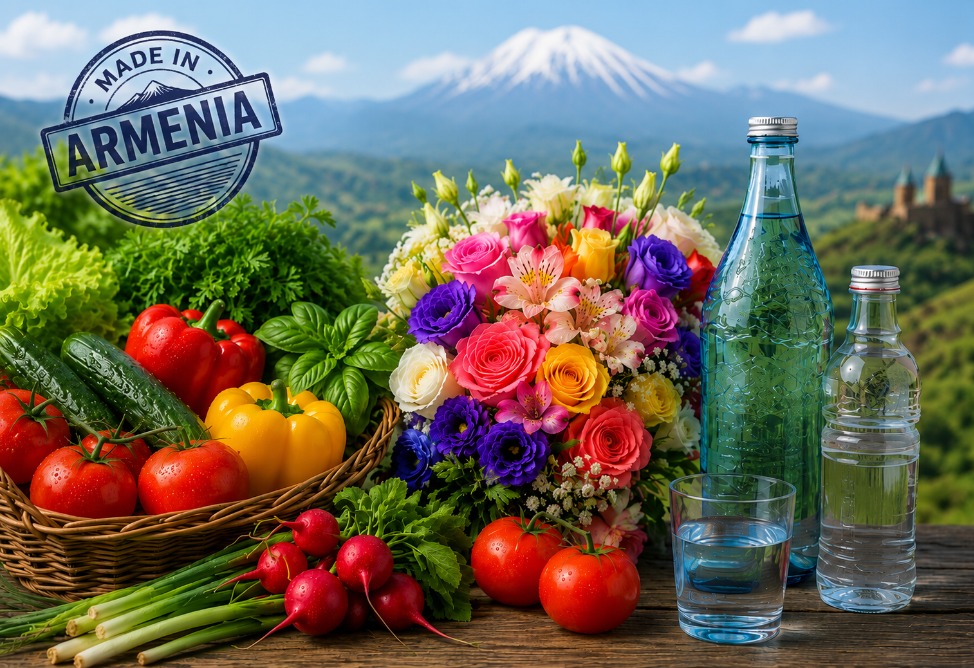
YEREVAN, October 15. /ARKA/. The Armenian government plans to allocate approximately 2.47 billion drams to compensate exporters for the month of October, as part of its agricultural export support programs.
According to the rationale for the decision, between June 1 and September 30, exports from Armenia included approximately 10,915 tons of apricots, 3,286 tons of plums, 5,431 tons of peaches and nectarines, 759 tons of apples, 925 tons of grapes, and 363 tons of figs.
From June 1 to October 9, the reach of these exports expanded, with fruit being shipped to 25 countries.
During the June–August period, exports also included approximately 245 tons of tomato paste, 754,000 liters of bottled grape wine, 818,000 liters of bottled fruit/berry wine, 3.1 million liters of absolute alcohol (in the form of bottled Armenian brandy/cognac), 2.6 million liters of bottled natural mineral water, 232 tons of dried fruits and vegetables, as well as 73 tons of sturgeon and 81 tons of trout.
As of September 30, approximately 15,000 tons of peaches and about 130 tons of figs had been purchased [for export].
A separate decision provides for the continuation of compensation throughout October for the export of certain types of greenhouse-grown produce from Armenia. Based on an analysis of export trends, the program forecasts that in October, exports will include approximately 200 tons of strawberries, around 2,550 tons of vegetables, 5.6 million roses, and 1.4 million other types of flowers.
Regarding export restrictions
In 2026, Armenian exporters encountered restrictions imposed by Russia on the shipment of certain products from Armenia, as well as on their transit through Russian territory to other EAEU member states. These measures were attributed to violations of phytosanitary requirements.
Against this backdrop, the Armenian government has expanded support measures for exporters, including assistance in accessing alternative markets. Specifically, in June, a support program was approved for the export of various agricultural products and flowers, with one of its primary objectives being the diversification of sales markets.
According to the rationale for the decision, between June 1 and September 30, exports from Armenia included approximately 10,915 tons of apricots, 3,286 tons of plums, 5,431 tons of peaches and nectarines, 759 tons of apples, 925 tons of grapes, and 363 tons of figs.
From June 1 to October 9, the reach of these exports expanded, with fruit being shipped to 25 countries.
During the June–August period, exports also included approximately 245 tons of tomato paste, 754,000 liters of bottled grape wine, 818,000 liters of bottled fruit/berry wine, 3.1 million liters of absolute alcohol (in the form of bottled Armenian brandy/cognac), 2.6 million liters of bottled natural mineral water, 232 tons of dried fruits and vegetables, as well as 73 tons of sturgeon and 81 tons of trout.
As of September 30, approximately 15,000 tons of peaches and about 130 tons of figs had been purchased [for export].
A separate decision provides for the continuation of compensation throughout October for the export of certain types of greenhouse-grown produce from Armenia. Based on an analysis of export trends, the program forecasts that in October, exports will include approximately 200 tons of strawberries, around 2,550 tons of vegetables, 5.6 million roses, and 1.4 million other types of flowers.
Regarding export restrictions
In 2026, Armenian exporters encountered restrictions imposed by Russia on the shipment of certain products from Armenia, as well as on their transit through Russian territory to other EAEU member states. These measures were attributed to violations of phytosanitary requirements.
Against this backdrop, the Armenian government has expanded support measures for exporters, including assistance in accessing alternative markets. Specifically, in June, a support program was approved for the export of various agricultural products and flowers, with one of its primary objectives being the diversification of sales markets.
