

EU has allocated €34 million to Armenia to support businesses amid Russian trade restrictions
19.06.2026,
17:03
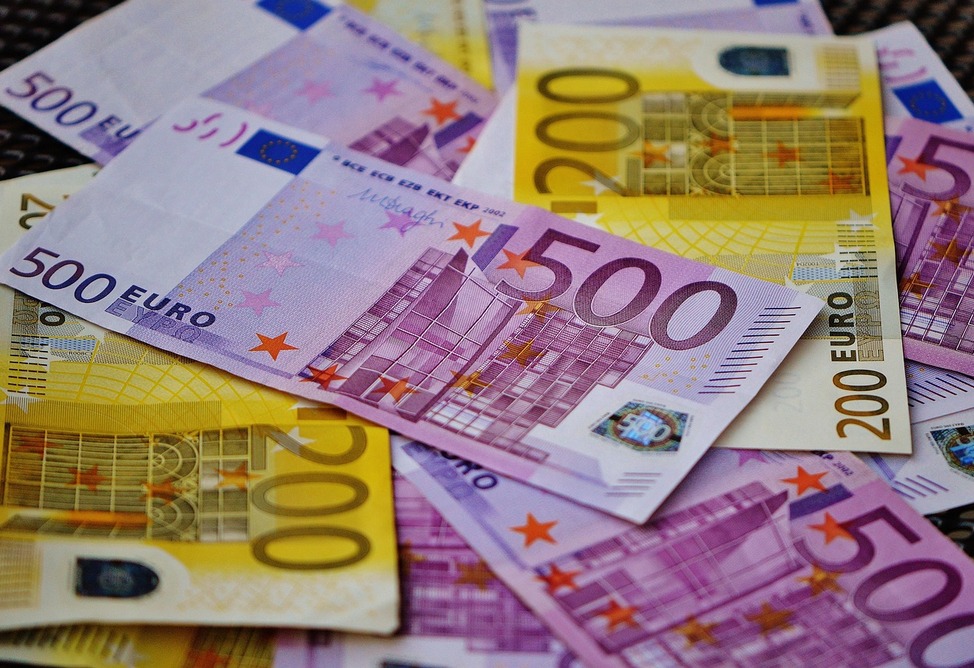
The European Commission has transferred €34 million to Armenia to mitigate the impact of Russian trade restrictions on the country's private sector, the EU Delegation to Armenia reported.
YEREVAN, June 19. /ARKA/. The European Commission has transferred €34 million to Armenia to mitigate the impact of Russian trade restrictions on the country's private sector, the EU Delegation to Armenia reported.
The financial assistance is the first tranche of a broader support package previously announced by European Commission President Ursula von der Leyen.
The package also includes measures to facilitate trade and strengthen Armenia's economic resilience.
The EU announced that additional support will be provided to sectors affected by trade restrictions, including agri-food products, floriculture, and other export-oriented industries.
EU Commissioner for Enlargement Marta Kos stated that today's support will help Armenia address current economic challenges and open up new opportunities for Armenian businesses in regional and European markets.
On July 5, Kos will visit Armenia to discuss the implementation of the support package and further steps to strengthen Armenia-EU cooperation. On Restrictions on Products from Armenia to the Russian Federation
Effective June 12, 2026, Russia has restricted the import of all quarantine products originating and shipped from Armenia, as well as their transit through Russia to EAEU member states. Specifically, the Rosselkhoznadzor restrictions apply to Jermuk mineral water, alcoholic beverages, vegetables, fruits, and herbs.
The agency cited the "systematic detection of quarantine organisms" in plant products and flowers from Armenia as the reason. It is noted that the ban will remain in effect until a specific algorithm for ensuring the safety and traceability of shipped goods is developed.
On Promoting Armenian Exports to the EU
Earlier, Armenian Economy Minister Gevorg Papoyan announced the development of programs to support exports from Armenia to the EU and Middle Eastern countries. According to him, these measures include compensation for transportation costs, customs duties, and, in certain cases, expenses related to intellectual property.
Papoyan also reported that Armenian exports to the European Union have already doubled, but the authorities intend to more actively develop this area and aim to increase it four to five times by the end of the year.
The financial assistance is the first tranche of a broader support package previously announced by European Commission President Ursula von der Leyen.
The package also includes measures to facilitate trade and strengthen Armenia's economic resilience.
The EU announced that additional support will be provided to sectors affected by trade restrictions, including agri-food products, floriculture, and other export-oriented industries.
EU Commissioner for Enlargement Marta Kos stated that today's support will help Armenia address current economic challenges and open up new opportunities for Armenian businesses in regional and European markets.
On July 5, Kos will visit Armenia to discuss the implementation of the support package and further steps to strengthen Armenia-EU cooperation. On Restrictions on Products from Armenia to the Russian Federation
Effective June 12, 2026, Russia has restricted the import of all quarantine products originating and shipped from Armenia, as well as their transit through Russia to EAEU member states. Specifically, the Rosselkhoznadzor restrictions apply to Jermuk mineral water, alcoholic beverages, vegetables, fruits, and herbs.
The agency cited the "systematic detection of quarantine organisms" in plant products and flowers from Armenia as the reason. It is noted that the ban will remain in effect until a specific algorithm for ensuring the safety and traceability of shipped goods is developed.
On Promoting Armenian Exports to the EU
Earlier, Armenian Economy Minister Gevorg Papoyan announced the development of programs to support exports from Armenia to the EU and Middle Eastern countries. According to him, these measures include compensation for transportation costs, customs duties, and, in certain cases, expenses related to intellectual property.
Papoyan also reported that Armenian exports to the European Union have already doubled, but the authorities intend to more actively develop this area and aim to increase it four to five times by the end of the year.