

ARKA Armenia Weekly: Key Events of the Week: Politics, Economy, and Markets (June 29 – July 5)

YEREVAN, July 6. /ARKA/. ARKA News Agency presents a digest of the week's key events.
SUMMARY
The week was marked by the deepening of Armenia's strategic partnership with the European Union while maintaining an active dialogue with Russia.
Domestically, the government continued to develop export support tools, announced the creation of an export promotion agency, and expanded the list of goods eligible for state compensation. At the same time, new regulatory decisions were made in the areas of taxation, pharmaceutical distribution, and preparing manufacturers for the European market.
The main signal of the week for businesses is that Armenia is accelerating the adaptation of the economy to new external conditions, maintaining multi-vector economic cooperation and simultaneously creating institutional mechanisms to expand access to new markets.
POLITICS
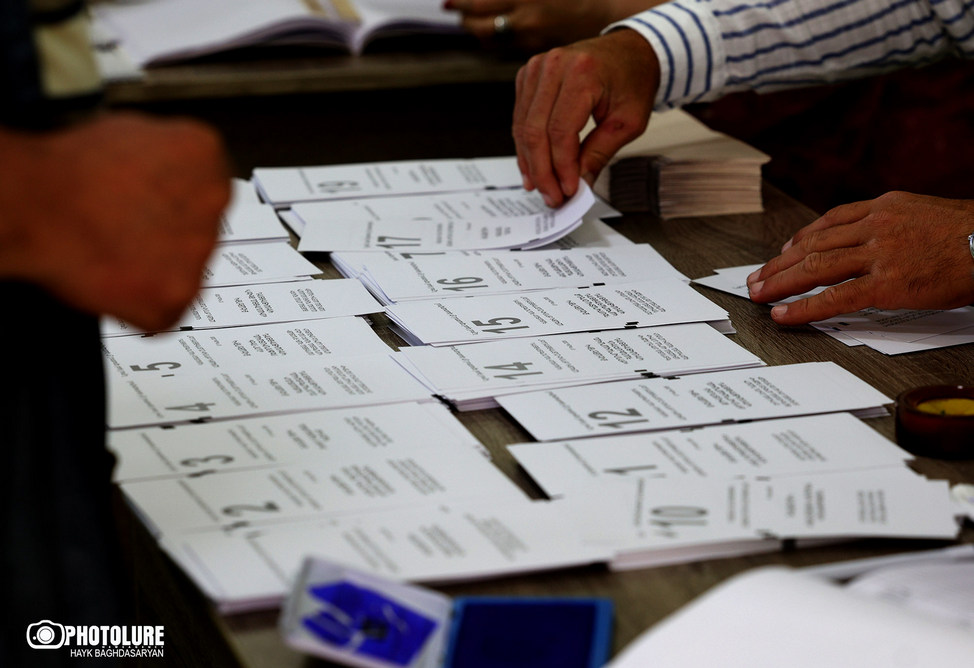
The Constitutional Court of Armenia rejected the opposition's appeals and upheld the results of the parliamentary elections, definitively confirming the absence of grounds for a rerun. The decision concludes the judicial phase of the electoral process and reduces political uncertainty surrounding the election results. Armenia and Russia confirmed their intention to develop bilateral cooperation. Prime Ministers Nikol Pashinyan and Mikhail Mishustin discussed cooperation in key economic and trade areas, while Armenian Deputy Foreign Minister Vahan Kostanyan expressed Yerevan's interest in further developing relations with Russia. At the same time, Russian Deputy Foreign Minister Mikhail Galuzin noted that finding alternative markets for Armenian products will take time, underscoring the importance of foreign trade diversification.
A significant political and economic event of the week was the visit of European Commission President Ursula von der Leyen to Armenia. Armenian Prime Minister Nikol Pashinyan stated that Armenia and the European Union are expanding cooperation in the economy, energy, transport, digitalization, and artificial intelligence. For businesses, this means further strengthening the European trajectory as a key vector for the country's economic development.
The EU also announced a grant funding package of up to €200 million to develop transport, energy, and digital connections in the South Caucasus. For Armenia, this reinforces the importance of the infrastructure agenda: roads, energy, and digital connectivity are becoming part of the long-term regional architecture of trade and investment.
Prime Minister Nikol Pashinyan stated that railways are the property of Armenia and should serve the country's interests. For investors, this means that transport unblocking issues will be considered primarily from the perspective of national interests, security, and economic efficiency.
ECONOMY AND MACROSIGNALS
The EU announced an additional €18 million in funding for Armenia to support trade and economic diversification, and also presented an initiative to liberalize approximately 80% of Armenian exports to the European market. For the economy, this means expanded opportunities for exporters and a gradual reduction in dependence on certain foreign markets.
The government extended the export support program for certain products until July and expanded the list of eligible goods. Compensations apply to fresh fruit, certain food products, beverages, dried fruits and vegetables, as well as trout and sturgeon. This demonstrates the transition of export support to a systemic format.
Armenia will establish an export support agency. According to Prime Minister Pashinyan, the new structure should consolidate tools for promoting Armenian products in foreign markets and provide long-term institutional support for businesses.
Parliament adopted amendments to the Tax Code setting a schedule for changes in excise taxes on alcohol and tobacco products for 2027–2029. Making decisions in advance allows producers to factor future tax changes into their long-term planning.
Economy Minister Gevorg Papoyan stated that there is no diesel fuel shortage in Armenia. He stated that the domestic market is fully supplied with the required fuel volumes, and the situation is under state control. For businesses, this means maintaining supply stability and eliminating additional risks for the transport and agricultural sectors.
BUSINESS AND CORPORATE SECTOR
Parliament has approved a new procedure for registering fish producers for export to the European Union. The new requirements apply to fish farms, processing plants and storage warehouses and are part of preparations for increased supplies to the EU market.
New drug control mechanisms have been introduced in Armenia in accordance with EAEU standards. The new system is aimed at increasing transparency in the circulation of medicines, strengthening quality control and further harmonizing regulation with the general requirements of the union.
One of the most discussed topics of the week was the situation around the Electric Networks of Armenia company. Interim manager Romanos Petrosyan said that key decisions on the company are expected in mid-July. In turn, the owner of the Tashir group, Samvel Karapetyan, urged not to take statements about the possible nationalization of ESA seriously, emphasizing that the company continues to fulfill its obligations. For investors, the development of the situation remains one of the most important corporate factors in the coming weeks.
The Yerevan City Hall will receive about $650 million for the implementation of three large infrastructure projects - the construction of the Ajapnyak metro station, the modernization of the metro and the purchase of electric buses. The implementation of these projects should support the construction industry and the modernization of urban infrastructure.
MARKETS AND FINANCE
The start of construction of the 7.2 km long Kajaran tunnel, costing almost $395 million, became one of the largest infrastructure projects of the year. For investors, this is a long-term signal about the continued implementation of the North-South transport corridor, which should increase the transit potential of Armenia.
The European Union also declared its readiness to assist Armenia in diversifying its energy supplies. According to Ursula von der Leyen, the development of energy ties is one of the key areas of cooperation, which can increase the sustainability of the country's energy market in the medium term.
The Public Services Regulatory Commission of Armenia reported that natural gas tariffs for the population will not change. Maintaining existing tariffs reduces the likelihood of additional inflationary pressure and maintains the stability of the consumer market.
WHAT DOES THIS MEAN
• Armenia is accelerating economic rapprochement with the European Union, gradually translating political agreements into practical measures to support trade, infrastructure and investment.
• At the same time, Yerevan confirms its course towards maintaining constructive economic cooperation with Russia, which indicates the continuation of a multi-vector foreign economic policy.
• State support for exports is gradually acquiring a permanent institutional character - from compensation mechanisms to the creation of a specialized agency.
• New regulatory decisions in the areas of taxation, drug circulation and preparation of exports to the EU reflect the adaptation of the economy to work in a wider range of foreign markets.
• Large infrastructure and energy projects remain one of the key factors in the country's long-term investment attractiveness.
RISKS OF THE CURRENT WEEK
• Business will expect the practical implementation of trade initiatives announced by the European Union and mechanisms to support Armenian exporters.
• Investors will continue to monitor the development of the situation around Electric Networks of Armenia and the decisions that will be made in mid-July.
• The implementation of large-scale infrastructure projects will require timely financing and effective management to achieve the expected economic effect.
• Manufacturers will have to adapt to new European requirements and certification procedures, which will determine the expansion of exports to the EU market.
• The development of energy cooperation with the EU and the implementation of projects to diversify energy supplies will remain one of the key factors for economic sustainability in the medium term.