

Pashinyan cites 90% deterioration of Armenia's housing stock and need for renovation
01.10.2026,
16:36
About 90% of Armenia's housing stock is dilapidated and requires renovation, Prime Minister Nikol Pashinyan stated at a government meeting on Thursday.
YEREVAN, October 1. /ARKA/. About 90% of Armenia's housing stock is dilapidated and requires renovation, Prime Minister Nikol Pashinyan stated at a government meeting on Thursday.
"The renovation program entails implementing investment projects and constructing new buildings on the sites of the current housing stock," Pashinyan said.
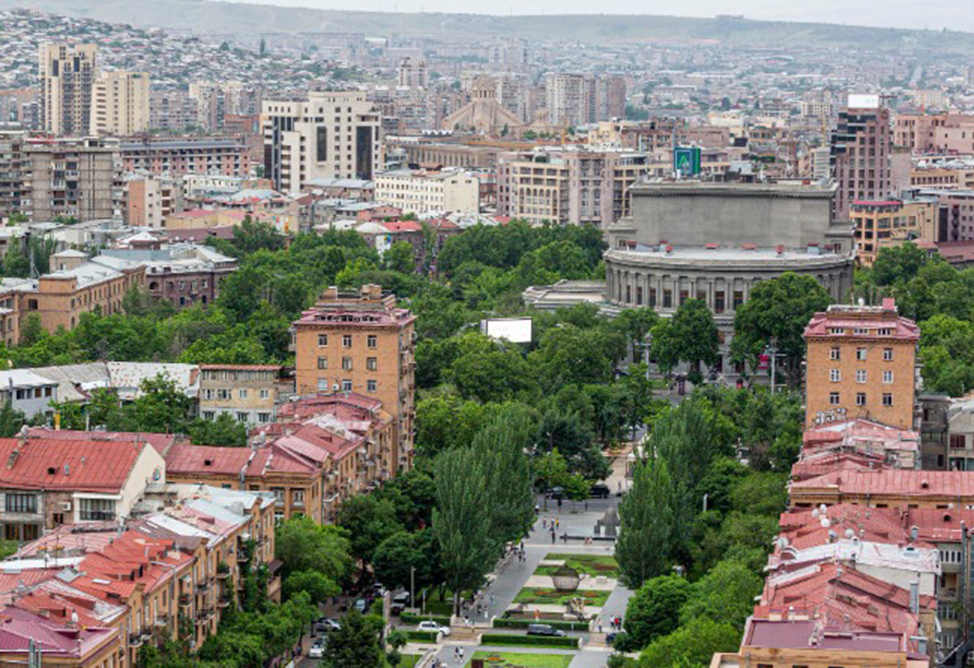
According to the Prime Minister, the issue of renovation is particularly pressing for Yerevan. He cited the capital's Ajapnyak administrative district as an example, noting that buildings of ten or more stories could be constructed there to replace existing four- or five-story buildings.
Pashinyan noted that increasing the number of stories and the total floor area of new buildings could make such projects economically attractive.
About Armenia's housing stock
The issue of Armenia's aging housing stock has previously been highlighted at both the state level and by international organizations.
According to a country profile of Armenia's housing sector published by the UN Economic Commission for Europe, a significant portion of the country's multi-apartment housing stock was built during the Soviet era. The document noted issues regarding the technical condition of the buildings, as well as their maintenance and management.
However, data on the technical condition of multi-apartment buildings previously published in Armenia were calculated using different criteria and are not directly comparable to the assessment of housing stock deterioration cited by Pashinyan. In particular, according to data announced by a representative of the Urban Development Committee in 2021, out of nearly 19,000 apartment buildings in Armenia, 524 were in poor technical condition, and another 90 were slated for demolition.
About Urban Renewal
The urban renewal mechanism entails replacing existing residential developments with new structures, including through the attraction of private investment.
Projects have previously been discussed in Armenia that envision constructing new apartment buildings on the sites of old housing stock and providing property owners with units in the new buildings. The economic model for such projects can be structured by increasing the total floor area of the new development and selling the additional residential and commercial real estate.
"The renovation program entails implementing investment projects and constructing new buildings on the sites of the current housing stock," Pashinyan said.
According to the Prime Minister, the issue of renovation is particularly pressing for Yerevan. He cited the capital's Ajapnyak administrative district as an example, noting that buildings of ten or more stories could be constructed there to replace existing four- or five-story buildings.
Pashinyan noted that increasing the number of stories and the total floor area of new buildings could make such projects economically attractive.
About Armenia's housing stock
The issue of Armenia's aging housing stock has previously been highlighted at both the state level and by international organizations.
According to a country profile of Armenia's housing sector published by the UN Economic Commission for Europe, a significant portion of the country's multi-apartment housing stock was built during the Soviet era. The document noted issues regarding the technical condition of the buildings, as well as their maintenance and management.
However, data on the technical condition of multi-apartment buildings previously published in Armenia were calculated using different criteria and are not directly comparable to the assessment of housing stock deterioration cited by Pashinyan. In particular, according to data announced by a representative of the Urban Development Committee in 2021, out of nearly 19,000 apartment buildings in Armenia, 524 were in poor technical condition, and another 90 were slated for demolition.
About Urban Renewal
The urban renewal mechanism entails replacing existing residential developments with new structures, including through the attraction of private investment.
Projects have previously been discussed in Armenia that envision constructing new apartment buildings on the sites of old housing stock and providing property owners with units in the new buildings. The economic model for such projects can be structured by increasing the total floor area of the new development and selling the additional residential and commercial real estate.